Is it time to downsize?
There's rarely a perfect moment. Most people I work with move a year or two after they first start thinking about it, and the ones who plan ahead get better results on both the sale and the purchase. These are the signs I hear most often:
- The stairs, the lawn or the snow have become a weekly worry, not a chore.
- Whole rooms, or a whole floor, go unused from one month to the next.
- Maintenance keeps coming: a roof, a furnace, windows, all at once.
- You'd rather have your equity working for you than sitting in square footage.
- You want to be closer to family, or to your doctor, the hospital and shops.
And some reasons to wait: you still love the house and it still works for you, you'd be moving mainly because others think you should, or you haven't decided where you'd go. Starting the conversation early costs nothing. It just means nothing gets decided in a rush later.
Where downsizers move, and what it costs to buy
The MLS® Home Price Index benchmark describes a typical home of each type. These figures cover the whole LSTAR area (London, St. Thomas, Middlesex and Elgin) for August 2026:
| Home type | Benchmark price | Change since May | For a downsizer |
|---|---|---|---|
| Two storey | $651,400 | -3.1% | The home most downsizers are leaving |
| One storey (bungalow) | $540,100 | -4.2% | About $111,300 less than a two-storey |
| Townhouse | $430,400 | -1.9% | About $221,000 less than a two-storey |
| Condo apartment | $315,900 | -7.6% | About $335,500 less than a two-storey |
Prices also vary a lot by area. Here are the benchmark and average sale prices in the areas my downsizing clients most often buy and sell in:
| Area | Benchmark (all types) | Average sale price |
|---|---|---|
| London North | $616,900 | $668,345 |
| London South | $552,600 | $567,783 |
| London East | $431,900 | $489,735 |
| St. Thomas | $499,700 | $557,485 |
| Central Elgin (incl. Port Stanley) | $629,500 | $615,333 |
| All LSTAR | $553,500 | $590,550 |
Source: London and St. Thomas Association of REALTORS® (LSTAR), August 2026 release. Averages move with the mix of homes sold in a month; the benchmark is the better guide to a typical home.
With 6.3 months of inventory in August 2026, a new high according to LSTAR, buyers have choice. That helps you on the purchase side, and it means pricing your current home properly matters more than it did a few years ago.
Bungalows
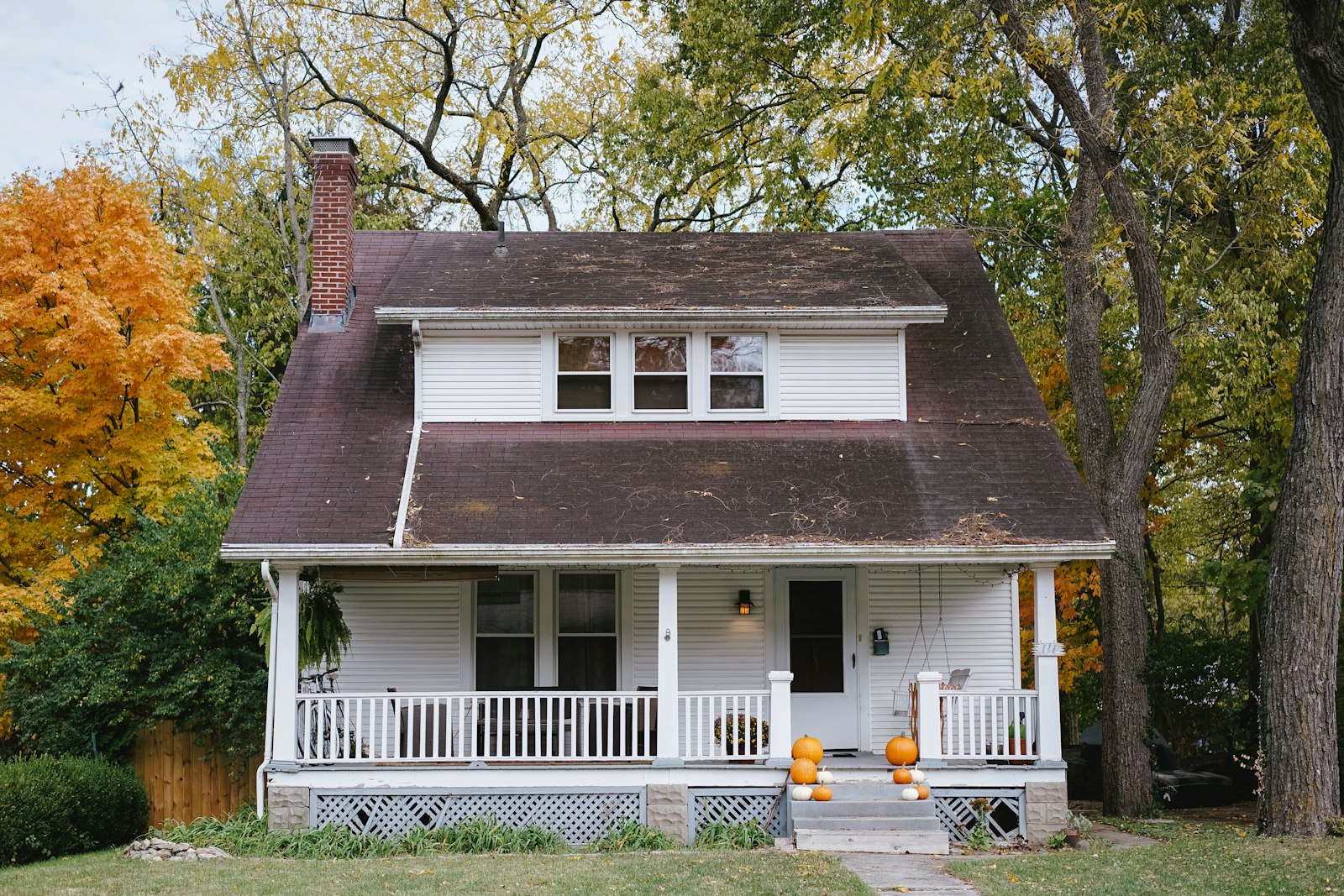
One-floor living with a yard, a garage and no shared walls. London's bungalows are concentrated in neighbourhoods built from the 1950s to the 1980s, such as Oakridge, Byron, Westmount, Huron Heights and Pond Mills, so check the age of the wiring, the drains, the furnace and the roof. The one-storey benchmark was the only single-family type that rose from July to August.
Condo apartments
The least maintenance and the most money freed up. In an elevator building you're step-free from the parking garage to your door. You take on a monthly fee, building rules and neighbours close by. Condo apartments have been the softest segment in 2026, which is good for buyers but matters if you might sell again within a few years.
Townhouses
A middle ground: your own front door and a patio, with snow and lawn care often handled by the corporation. The catch is stairs, since most have two or three levels. Bungalow-style townhomes with a main-floor primary bedroom exist, but they're popular and sell quickly.
55+, land-lease and life-lease communities
London has a handful of adult-lifestyle communities, most of them land lease (you own the house but rent the land) plus life-lease buildings where you buy the right to live in a suite. The ownership type changes your monthly costs, your financing and how easily your family can sell later, so have your lawyer review the documents before you sign.
St. Thomas and Elgin County
St. Thomas has more freehold bungalows and fewer condo buildings than London, and a lower benchmark ($499,700 in August 2026). Port Stanley and the rest of Central Elgin appeal to people who want a small town near the water. My St. Thomas downsizing page covers the local options in detail.
What downsizing actually costs
The price gap isn't all money in your pocket. These are the costs that come off the top, in the order you'll meet them.
Selling your current home
Real estate commission, set out in your listing agreement (ask for the total, including HST, in writing), legal fees on the sale, and whatever it takes to get the house ready. For a long-held home, that last one varies most. Paint, repairs and a deep clean usually pay off. Full kitchen and bathroom renovations rarely do.
Land transfer tax on the next home
Ontario land transfer tax is due in cash on closing day. Downsizers who have owned before don't get the first-time buyer refund, and London and St. Thomas charge no municipal land transfer tax on top.
| Purchase price | Ontario land transfer tax |
|---|---|
| $315,900 (condo apartment benchmark) | $3,213.50 |
| $430,400 (townhouse benchmark) | $5,083 |
| $540,100 (one-storey benchmark) | $7,277 |
| $651,400 (two-storey benchmark) | $9,503 |
Legal fees, title insurance and the status certificate
You'll pay a lawyer on each side: one for the sale and one for the purchase, plus title insurance and registration on the purchase. Buying a condo? The status certificate costs up to $100 under Ontario rules, and your lawyer should review it before your offer goes firm.
Moving, clearing out and overlap
Movers price by hours and crew size, and a lifetime of belongings takes longer than anyone expects, so get two in-home quotes. Donation pick-ups are often free; junk removal and estate-sale companies take a share. And if your two closings don't line up, you may carry two homes, and possibly bridge financing, for a few days or weeks.
What changes every month
Property tax, utilities and maintenance usually drop. Condo fees are new if you move to a condo, and they replace some of what you used to pay yourself. A $500 monthly fee is $6,000 a year, so compare the running costs of each option, not just the prices.
Tax, benefits and your estate
Capital gains. If the home was your principal residence for every year you owned it, the principal residence exemption usually covers the whole gain. You still have to report the sale on your tax return. It gets more complicated if part of the home was rented out or used for business, or if you also own a cottage. Confirm your situation with an accountant before you sell.
OAS and GIS. Selling a principal residence generally doesn't count as income for Old Age Security or the Guaranteed Income Supplement. The interest or investment income you earn on the proceeds afterwards can, which matters most for anyone receiving GIS. Check your own situation with Service Canada or a financial planner.
Your estate. Downsizing is a good moment to update your will and powers of attorney, because the biggest asset in them is changing. If family members will help with the sale, make sure the paperwork allows it.
This section is general information, not tax or legal advice.
Sell first or buy first
This is the decision downsizers worry about most, and there's no single right answer:
- Sell first if you need the exact number before you buy, or if homes like yours are selling slowly. The trade-off is a longer closing or a short stay somewhere in between.
- Buy first if the right bungalow or condo comes up and your finances can carry an overlap. The trade-off is owning two homes if your sale takes longer or comes in lower than planned.
- Buy on the condition of your sale if the home you want isn't drawing multiple offers. With 6.3 months of inventory, sellers are more open to that than they were.
- The Guaranteed Sale Program if your next home is one of my listings: we set a guaranteed price for your current home in writing before you list, and if it doesn't sell during the listing period, I buy it at that price, which is below full market value.* How it works.
My guide to buying and selling at the same time covers bridge financing and how to line up the closing dates.
The downsizing process, step by step
Most moves take three to six months from the first conversation to the keys, and longer when the house holds decades of belongings. In order:
- Talk it through early. No listing, no pressure: just a timeline and a plan.
- Find your net number. A valuation from recent comparable sales, minus the mortgage payout, commission, legal fees and moving costs.
- Decide what "smaller" means. Bungalow, condo, townhouse or a 55+ community, and which areas.
- Choose the order. Sell first, buy first, buy on a sale condition, or use the Guaranteed Sale Program.
- Sort the house, room by room. Start with the rooms you use least.
- Prepare and list. Only the repairs and touches that move the price, then photography and showings.
- Negotiate both deals together, so the closing dates, conditions and deposits fit each other.
- Move once, and close. Your lawyer moves the sale money into the purchase, and you get the keys.
The contents of the house
Sorting belongings is usually the longest part of downsizing, not selling. Measure the rooms in the next home first, then work room by room with four labels: keep, family, sell or donate, and discard. Ask your children what they want early, with a deadline. Box photos and papers to sort later rather than during the move, and keep your will, powers of attorney and deed in one folder that travels with you. Furniture resale values are usually low, so the real goal is making sure what you keep fits the new home.
The family side
Many downsizing moves involve adult children, and often some of them live out of town. I coordinate showings, paperwork and timelines around the whole family, not just the seller. When a parent can't manage the sale themselves, it may be handled under a Power of Attorney for Property. After a death, the estate trustee handles it; see my guide to selling a house as an executor and my estate sales page. Either way, the most important thing is that no one is rushed into a decision they'll regret.